Scientific advisory
Clarify a difficult problem, compare approaches, and decide what to investigate next.

From expert advice and independent due diligence to contract research, scientific software, and agentic AI platforms.
We help you decide what to pursue, carry out the research, and build the tools to take it further.
Clarify a difficult problem, compare approaches, and decide what to investigate next.
Assess scientific claims, data, models, and code before committing resources.
PATENT EXCERPT · SCHEMATIC
“The device achieves through modulation of the optical field, as demonstrated by .”
SCIENTIFIC REVIEW
The bath temperature also changes. Separate its contribution before attributing the effect to optical coupling.
Investigate an open question through theory, simulation, and data analysis.
Loading interactive view…

Slide through the molecular motion.
Recorded simulation: coupling + bath feedback. Read the study
Model detailsDevelop and test a proposed solution against physical constraints and practical requirements.
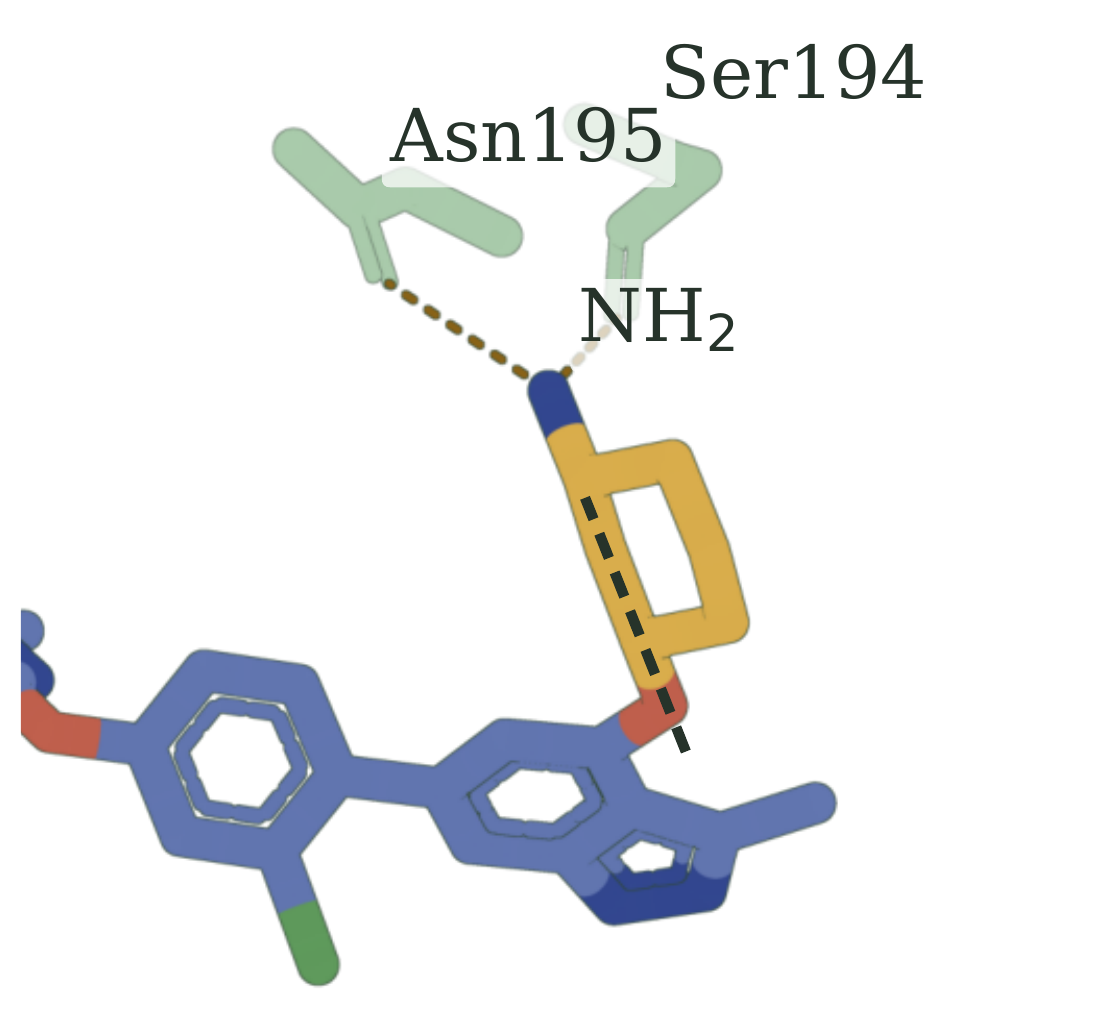 Pose 1
Ser194 + Asn195. Switch poses to see the contacts change.
MEK1 inhibitor · Boltz-2 predictions.
Ongoing researchBuild tested scientific tools, applications, and prototypes.
Loading interactive view…

Change the air. Follow the wave to the ground.
Simulated propagation over 500 m.
Model detailsLoading interactive view…

Slide through the deformation.
Polycarbonate simulation · stress unscaled.
Model detailsBuild platforms that connect agents, scientific tools, and simulations, with human review throughout.
Our research connects molecular mechanisms with material properties, reaction rates, and device performance.
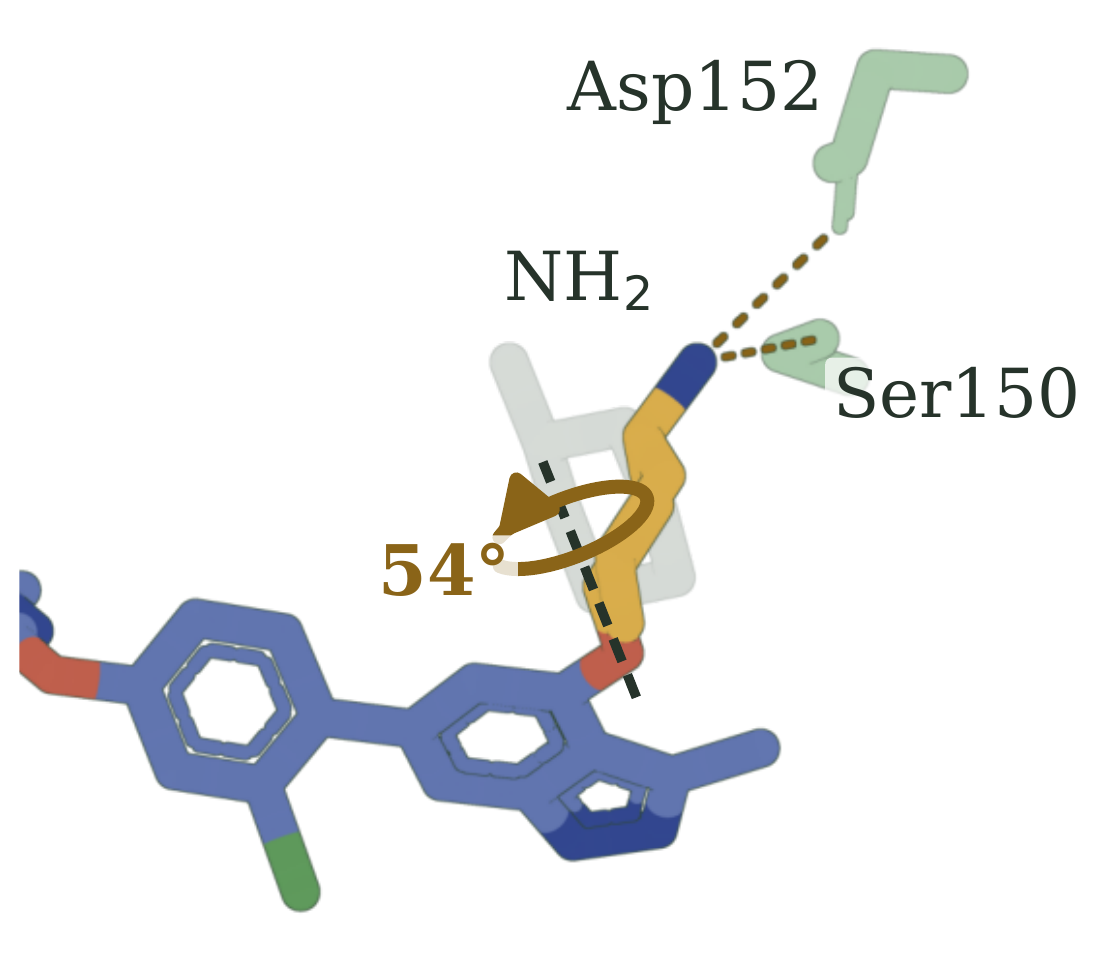
We developed sampling methods that reveal alternative protein–ligand poses in Boltz-2. For MEK1 bound to the ATP-competitive inhibitor FZC, a terminal ring rotates and changes its contacts within the binding pocket. These model-generated poses provide hypotheses for further investigation and independent physical validation.
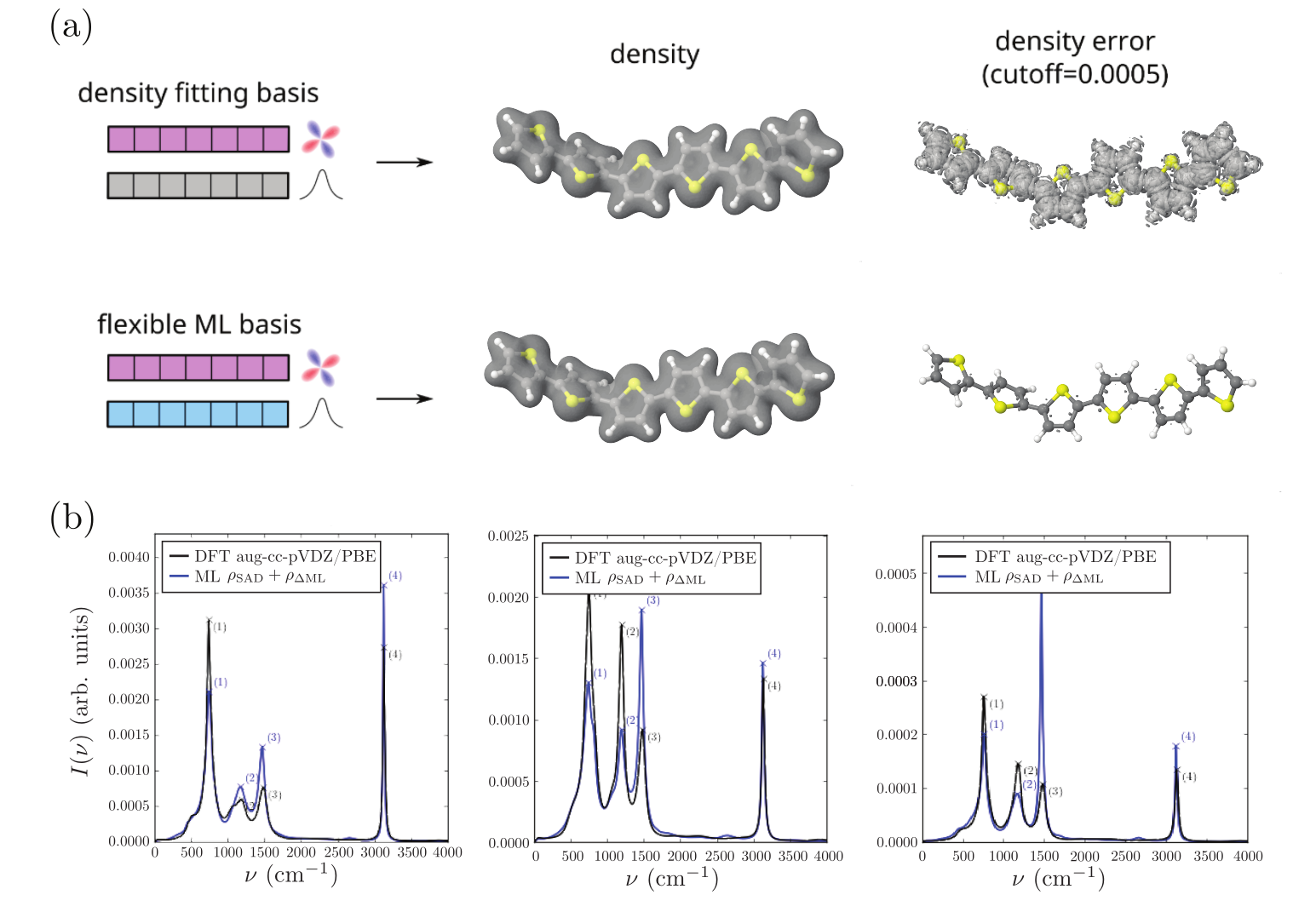
Accurate energies alone do not establish whether a molecular model reproduces measurable behavior. In the DenSNet collaboration, we led evaluations of infrared spectra and transfer to longer polymer chains, testing predictions against experiments and quantum-chemical calculations.
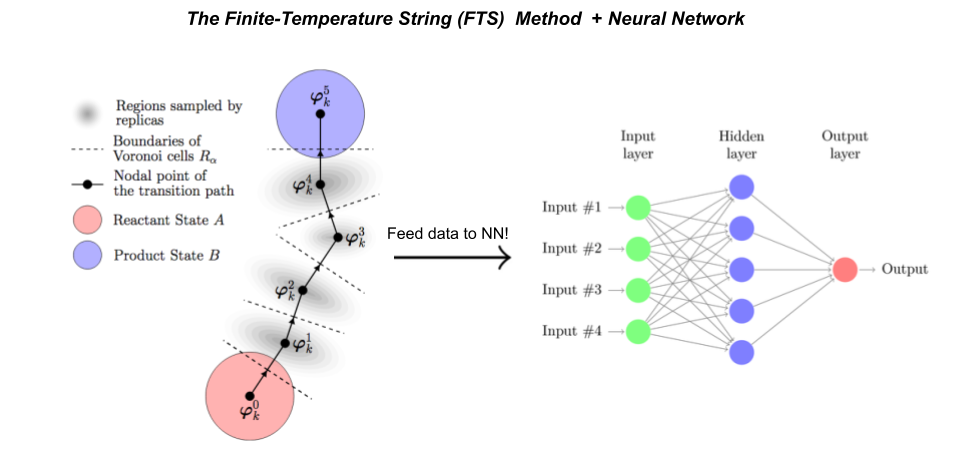
Important molecular transitions can occur too rarely for ordinary simulations to characterize them efficiently. Working with our collaborators, we combined neural networks with targeted sampling to learn transition probabilities and estimate reaction rates, testing the approach on model systems.
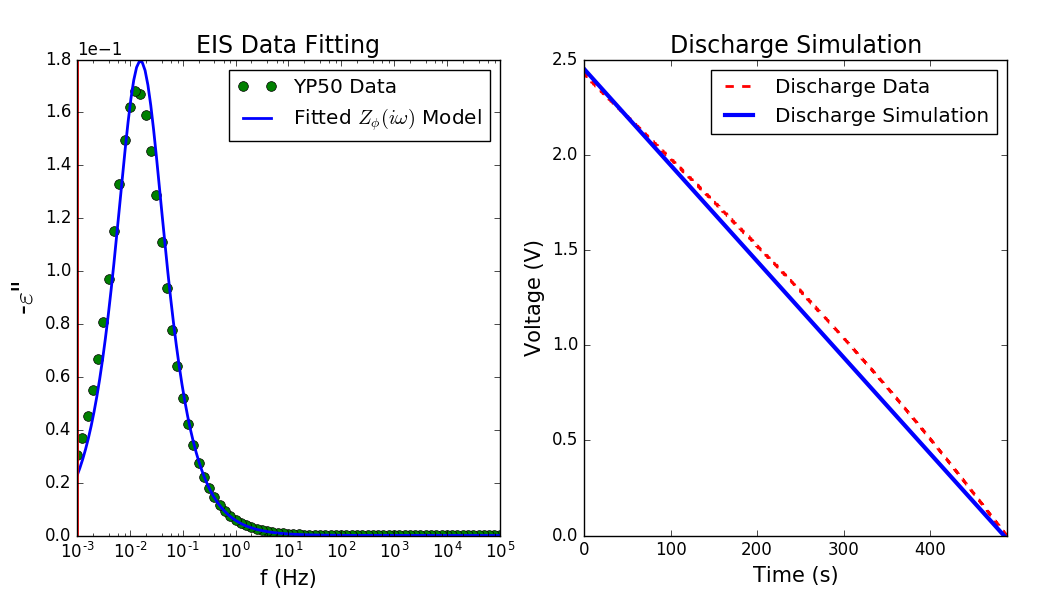
Device characterization becomes more useful when measurements can predict operating behavior. Working with our collaborators, we developed a method that uses impedance data and porous-electrode theory to predict capacitor charge–discharge behavior, connecting electrical measurements to performance modeling.
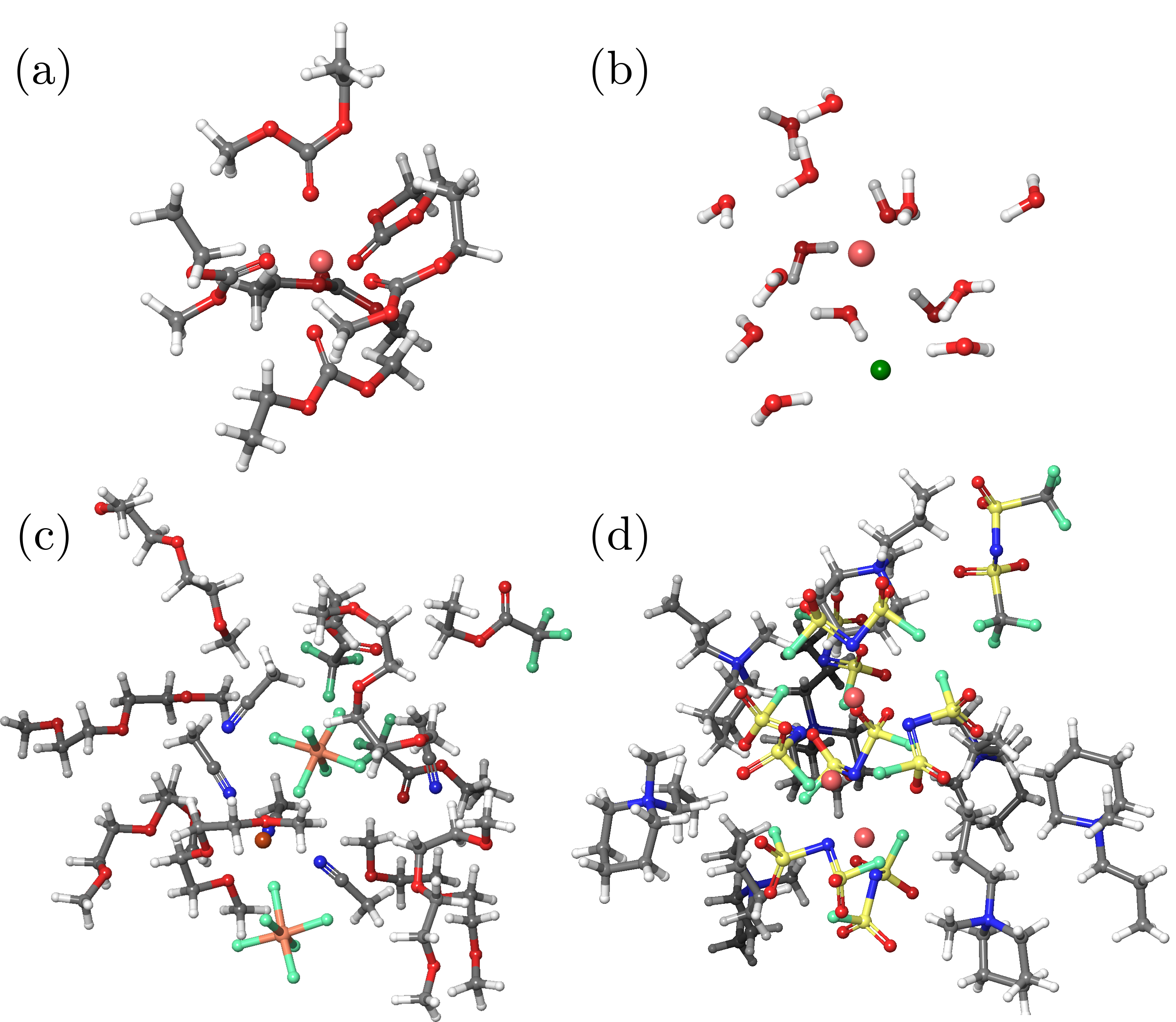
Molecular AI needs training data that capture the environments ions encounter in solution. For OMol25, we worked with Daniel Levine to develop simulations of electrolyte mixtures across compositions and temperatures, supplying molecular configurations for quantum-chemical calculations.
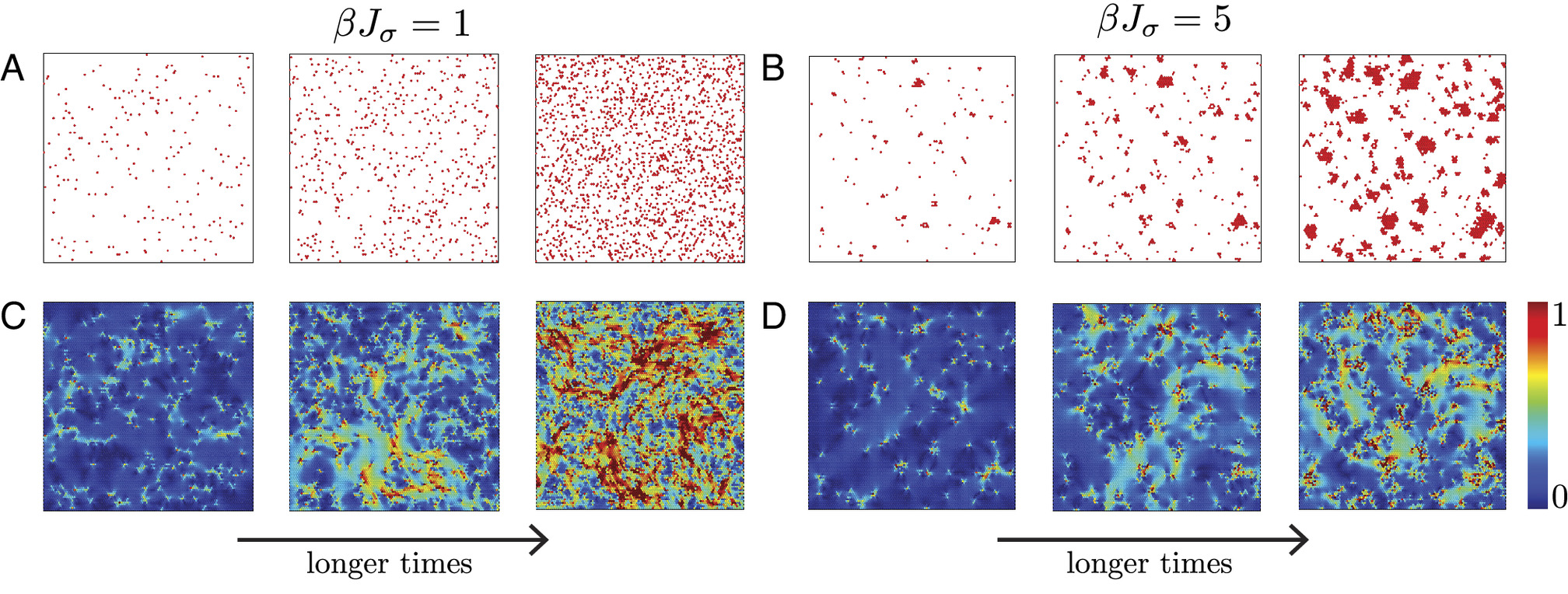
Understanding slow relaxation requires connecting local molecular motion to behavior over much longer timescales. Together with Kranthi Mandadapu, we developed a theory in which localized rearrangements interact through elastic stresses, explaining how correlated motion and glassy dynamics emerge.
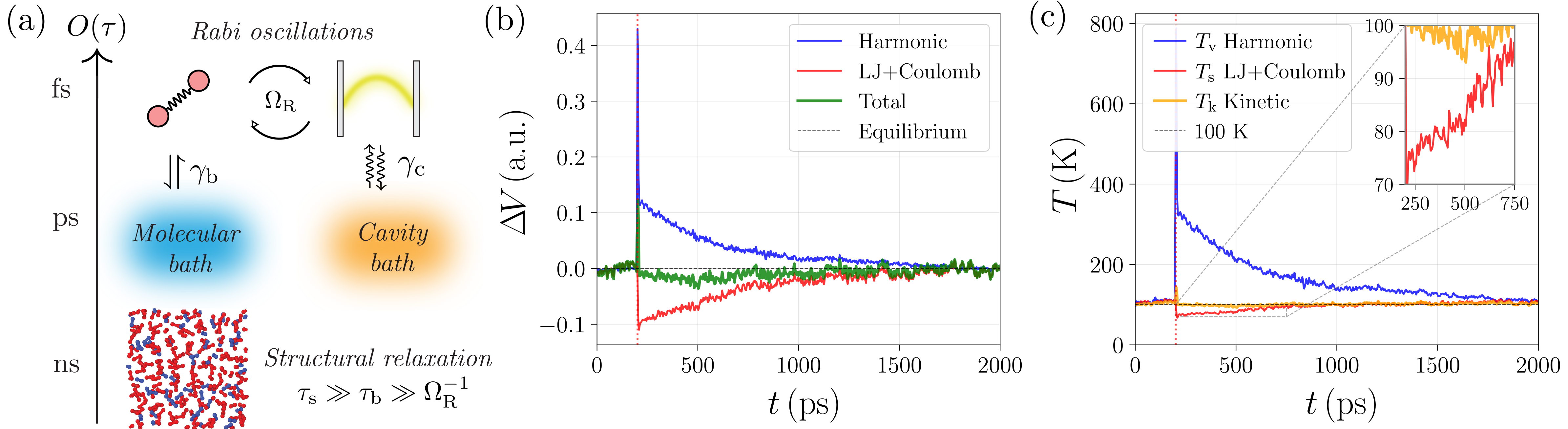
Material aging is usually controlled through temperature or pressure. Working with our collaborators, we showed that coupling a model supercooled liquid to an optical cavity could change its structural relaxation while the bath temperature stayed fixed, motivating further research on optical control of disordered materials.
We begin with the decision you need to make, the evidence you already have, and the constraints on the work. From there, we propose a focused assessment or computational study, with clear checks for interpreting the results.
Because the work needs to remain useful after an engagement, we document the assumptions, methods, and limitations alongside the code or analysis. You should be able to understand what was established and choose the next step.
A brief description of your question and timeline is enough to start.